Autoserve


Are Fuel Finder Apps Really Saving You Money?
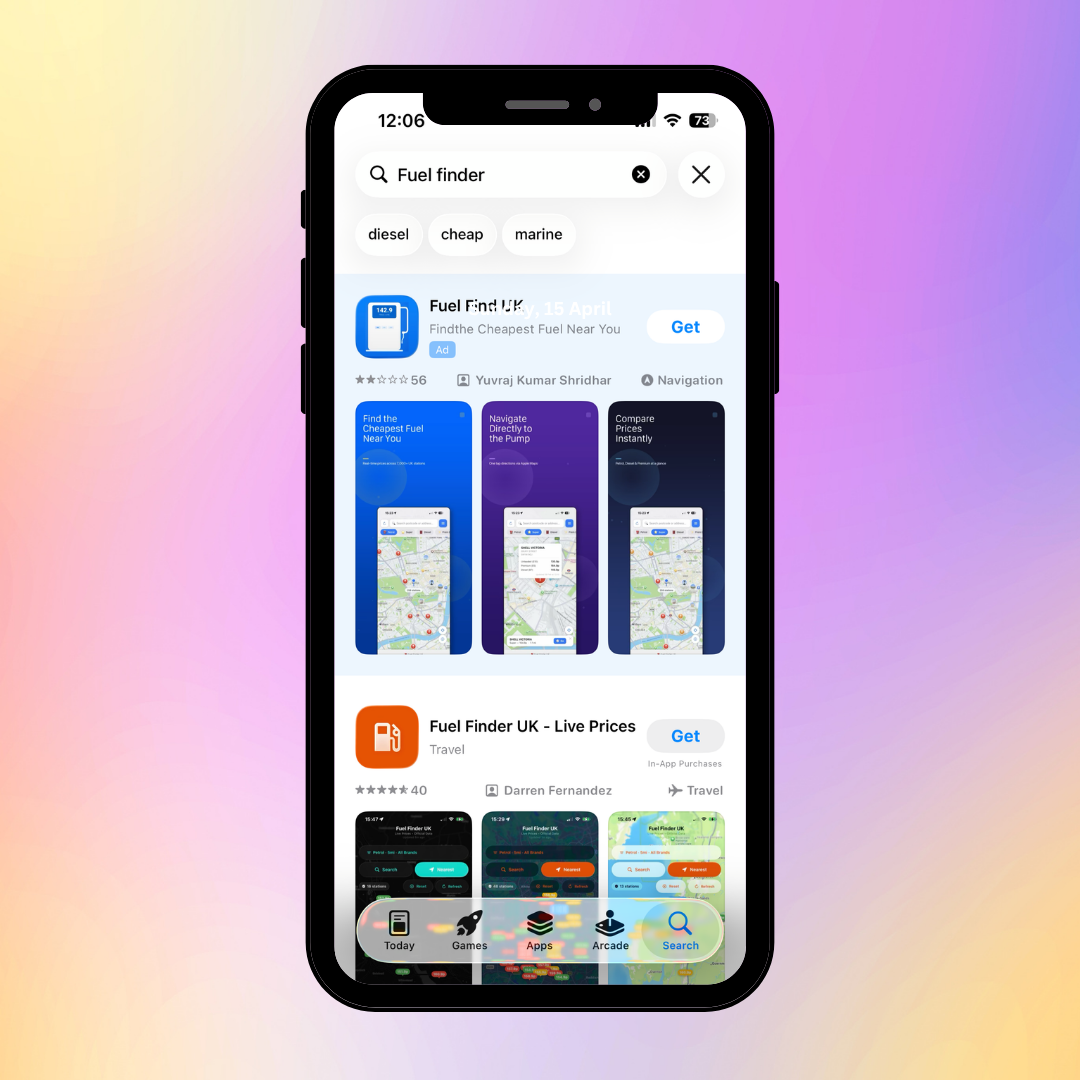
Fuel finder apps have quickly become a go-to tool for motorists across the UK. With fuel prices continuing to fluctuate, the promise of finding the cheapest petrol or diesel nearby is understandably appealing. But recent reports suggest that these apps may not always be as accurate as we’d hope and that could mean drivers are paying more than expected at the pump.
How Fuel Finder Apps Are Meant to Work
Fuel finder apps rely on pricing data submitted directly by fuel retailers. Under the current Fuel Finder scheme, retailers who have signed up are legally required to update their fuel prices within 30 minutes of any change at the pump.
According to the Department for Energy Security and Net Zero, around 92% of fuel retailers have now signed up to the scheme. Since 1 May, the Competition and Markets Authority (CMA) has also begun enforcement action against companies that have not yet complied.
On paper, this should mean motorists have access to accurate, near real-time pricing information, helping them make informed decisions and save money.
So, What’s the Problem?
Despite the system being in place, many drivers are finding that the prices shown on fuel finder apps don’t always match what they see when they arrive at the forecourt.
In fact, recent findings suggest that up to four out of five popular apps may not be fully up to date. This creates a frustrating situation where motorists choose a petrol station based on the app, only to discover higher prices when they get there.
The issue doesn’t necessarily lie with the fuel stations themselves. Even when retailers update their prices within the required timeframe, there can be a delay in that data being processed and displayed within the apps. This lag means that “real-time” pricing isn’t always truly real-time.
What This Means for Drivers
For motorists trying to keep fuel costs down, even small discrepancies can add up over time. A few pence per litre might not sound like much, but across a full tank and repeated fill-ups, it can make a noticeable difference.
It also affects trust. If drivers can’t rely on the prices shown, they may start to question whether using these apps is worthwhile at all.
Are Fuel Finder Apps Still Useful?
Despite these issues, fuel finder apps are still a valuable tool, just not a perfect one.
They remain a helpful way to:
- Get a general idea of fuel prices in your area
- Spot trends and identify consistently cheaper stations
- Plan journeys with cost in mind
However, they’re best used as a guide rather than a guarantee.
Does More Need to Be Done?
The introduction of the Fuel Finder scheme is undoubtedly a step in the right direction. Greater transparency and accountability across fuel pricing benefits everyone.
But the current gap between retailer updates and app accuracy highlights an important issue:
it’s not just about collecting the data; it’s about delivering it to drivers quickly and reliably.
For the system to work as intended, improvements may be needed in how pricing data is shared, processed and displayed across platforms. Whether that’s through tighter regulations, improved technology, or stricter enforcement remains to be seen.
The Bottom Line
Fuel finder apps have the potential to help motorists save money, but they’re not foolproof. Until data delays are resolved, it’s worth double-checking prices where possible and being prepared for the occasional mismatch.
As the system continues to evolve, one thing is clear: accuracy and speed are key. Because when it comes to fuel prices, even a small delay can cost drivers more than they bargained for.