Autoserve


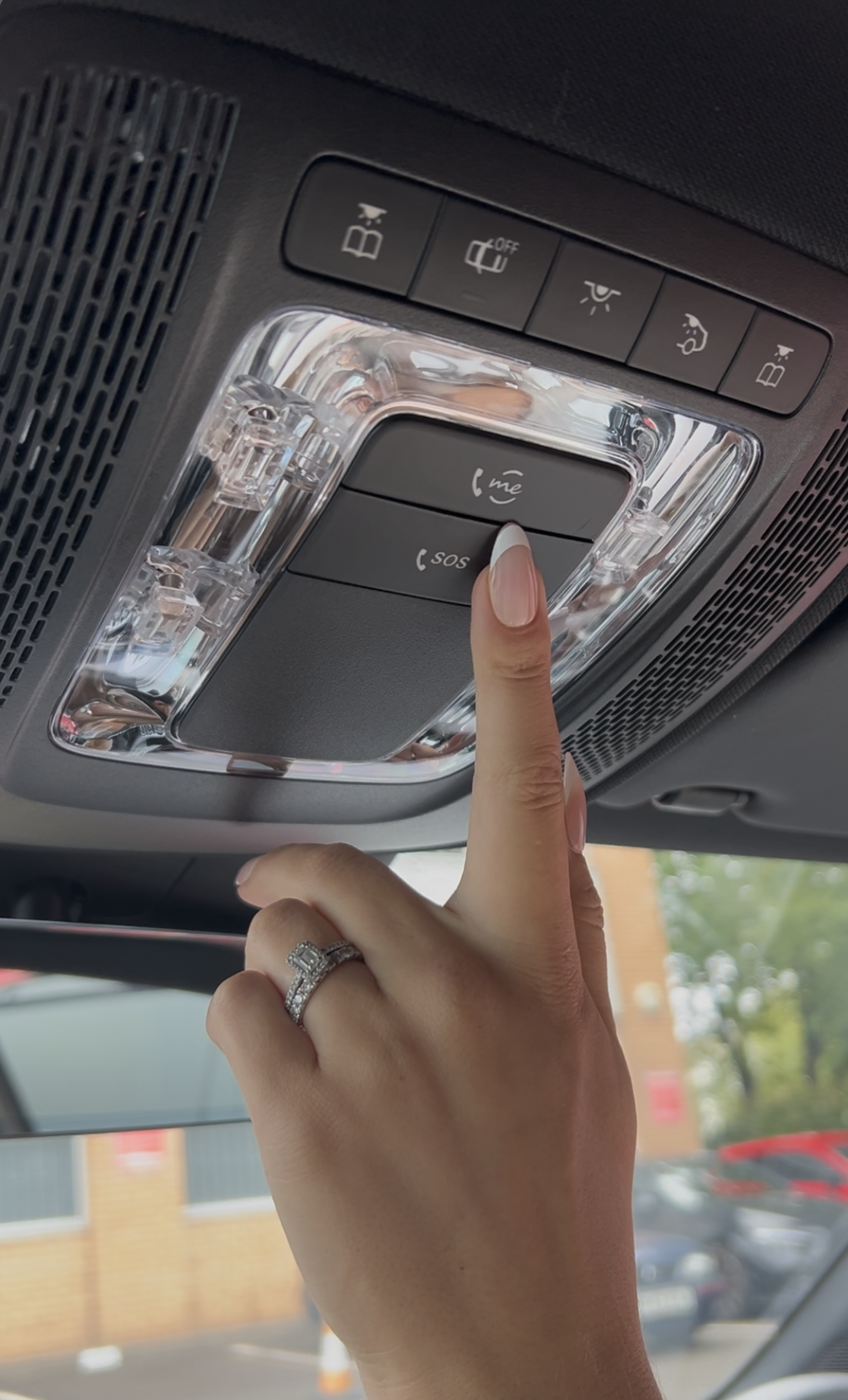
The SOS Button in Your Car: What You Need to Know
Modern vehicles are becoming increasingly intelligent, with technology designed to keep drivers and passengers safer than ever before. One feature that often goes unnoticed until it’s needed is the SOS button, sometimes called an emergency call (eCall) system. But what exactly does it do, how does it work, and when should you use it?
How the SOS Button Works
The SOS button is built directly into your vehicle and is not dependent on your mobile phone. Instead, the system is connected to its own SIM card and uses the car’s in-built sensors to detect serious incidents, such as the deployment of airbags in a collision.
In the event of a severe crash, the system can automatically contact the emergency services and send important details such as:
- The exact GPS location of the vehicle
- The time of the incident
- The direction of travel (helpful on motorways)
- The number of passengers detected in the car
You also have the option to press the SOS button manually if you need urgent assistance, for example, if you witness an accident, suffer a medical emergency while driving, or feel unsafe on the road.
When Did It Become Standard?
The SOS system became a standard feature in all new cars sold within the EU from April 2018, following European legislation to improve road safety. Many manufacturers had already introduced similar systems earlier, but since that date, every new model must be equipped with eCall technology as part of its safety package.
What Counts as a Real Emergency?
The SOS button is designed for serious or life-threatening situations only. Examples include:
- A road traffic accident where someone is injured
- A serious medical emergency while driving (e.g. heart attack, stroke)
- Being stranded in a dangerous location or breakdown situation where you feel unsafe
- Witnessing a major accident where immediate assistance is required
It should not be used for minor issues, vehicle faults, or routine roadside assistance calls — those are better handled through breakdown cover providers.
Fast Facts About the SOS Button
- Automatic alerts: If airbags deploy, the system triggers automatically even if you can’t press the button.
- Dedicated connection: Works independently from your smartphone signal, thanks to its own built-in SIM.
- Quicker response times: Studies show eCall can cut emergency response times by up to 50% in rural areas and 40% in urban areas.
- Peace of mind: The system is active whenever you’re in the car, ready to connect you directly to help.
The SOS button is one of those features you may never think about — until the moment you really need it. By working independently of your mobile phone and contacting the emergency services directly, it can be a literal lifesaver in the most critical situations.
So next time you’re in your car, take a look above your head and familiarise yourself with the SOS button. Knowing where it is, and when to use it, could make all the difference.