Autoserve


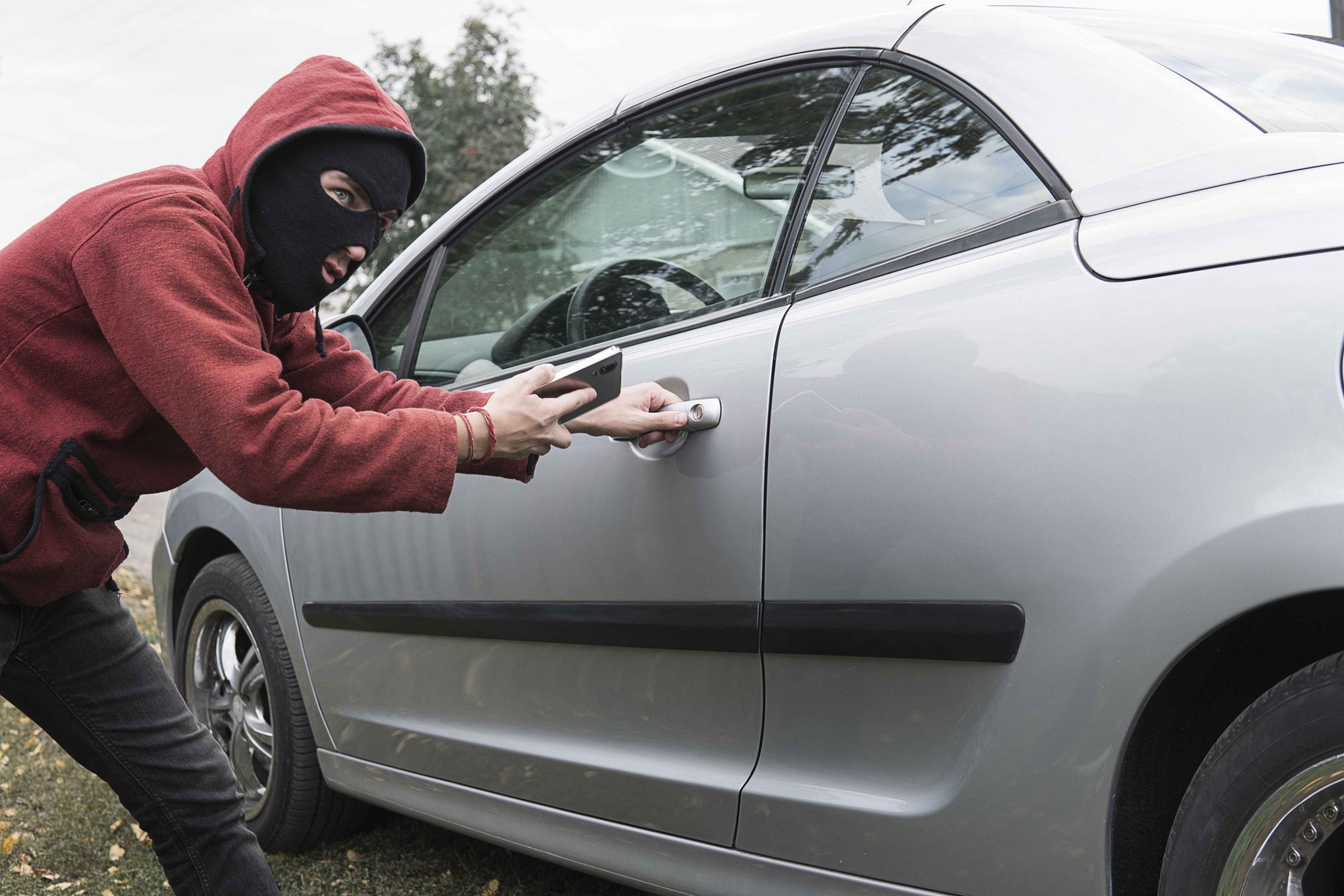
Keyless Car Theft: How Does It Work and How Can You Prevent It?
Keyless entry has made getting into your car easier. There is no need to take your key out of your pocket or handbag. Walk up to the car, open the door and press the start button.
But there is a downside. Keyless cars can be vulnerable to a type of theft known as relay theft.
The good news is that there are simple steps you can take to make your car harder to steal.
What is keyless car theft?
Keyless car theft, also known as relay theft, targets vehicles that use passive keyless entry and start.
These systems detect when the key is nearby. The car can then unlock and, in many cases, start without the driver removing the key from their pocket or bag.
A relay attack attempts to trick the car into thinking the key is nearby when it is actually inside your home.
Criminals use electronic equipment to relay the signal between the key and the vehicle. This can allow them to unlock the car and start it without having the physical key.
The important point is that the key does not necessarily need to be close to the car.
If your car is parked on the driveway and your keys are inside the house, the signal may still be accessible to someone outside.
How do I know if my car has keyless entry?
Not every car with a remote key is a keyless car.
If you need to press a button on your key to unlock the car, you do not have passive keyless entry.
With a keyless system, the car detects the key automatically when you approach it. You can usually unlock the vehicle and start it while the key remains in your pocket or bag.
If you are unsure, check your vehicle handbook or speak to your manufacturer or dealer.
How can you protect your car from keyless theft?
1. Keep your keys away from doors and windows
Where you keep your keys at home matters.
Avoid leaving them next to your front door, windows or other areas close to the outside of your property.
Police advice recommends keeping keyless car keys and spare keys well away from the vehicle and away from doors and windows.
2. Use a Faraday pouch
A Faraday pouch is a signal-blocking pouch designed to prevent the key’s wireless signal from being transmitted.
Put your key inside the pouch when you are not using it.
Don’t forget about your spare key. It needs protecting too.
It is also worth testing the pouch regularly to make sure it is still blocking the signal.
3. Check whether your key can be switched off
Some newer key fobs allow you to disable their wireless signal when the key is not being used.
Check your vehicle handbook to see whether your key has this function.
Some newer vehicles also use technology designed to make relay attacks more difficult, including motion sensors and Ultra-Wideband technology. If you are unsure what security features your vehicle has, ask your manufacturer or dealer.
4. Consider a steering wheel lock
Electronic security isn’t the only option.
A good-quality steering wheel lock creates another physical barrier between a thief and your car.
Even if someone manages to bypass the vehicle’s electronic security, a physical lock can make it much harder to drive away. Police forces continue to recommend physical security devices such as steering wheel locks as an additional layer of protection.
5. Check that your car has actually locked
Don’t simply assume your car is locked because you pressed the button.
Electronic devices can be used to interfere with locking signals.
Before walking away, check the doors are locked. If your car has keyless locking, make sure you know how your particular system confirms that the vehicle is secure.
6. Use your garage if you have one
It sounds obvious, but a locked garage provides another physical barrier between your car and anyone trying to steal it.
If you don’t have a garage, consider where you park overnight.
A well-lit area, CCTV and other security measures can add further deterrents.
What if you’ve bought a second-hand car?
If you’ve recently bought a used car, it’s worth checking how many keys are programmed to the vehicle.
Police advice recommends reprogramming keys when buying a second-hand vehicle. This can help prevent an old key or fob from being used to access the car.
You should also make sure any previous owner’s digital access has been removed where applicable.
Modern cars can be connected to apps and online accounts, so don’t forget about digital security as well as the physical key.
Keyless entry doesn’t have to mean keyless security
Keyless entry is convenient, and manufacturers are continuing to improve vehicle security.
Newer vehicles can have additional technology designed to reduce the risk of relay attacks, while the industry is also developing better security standards.
But technology is only part of the answer.
Simple precautions can make a difference.
Keep your keys away from doors and windows. Use a tested signal-blocking pouch. Check your vehicle’s security features. Consider additional physical security. And always make sure your car is properly locked.
A few extra seconds of prevention could save you a much bigger problem later.


