Autoserve


Potholes, UK Roads and the Rising Cost to Drivers
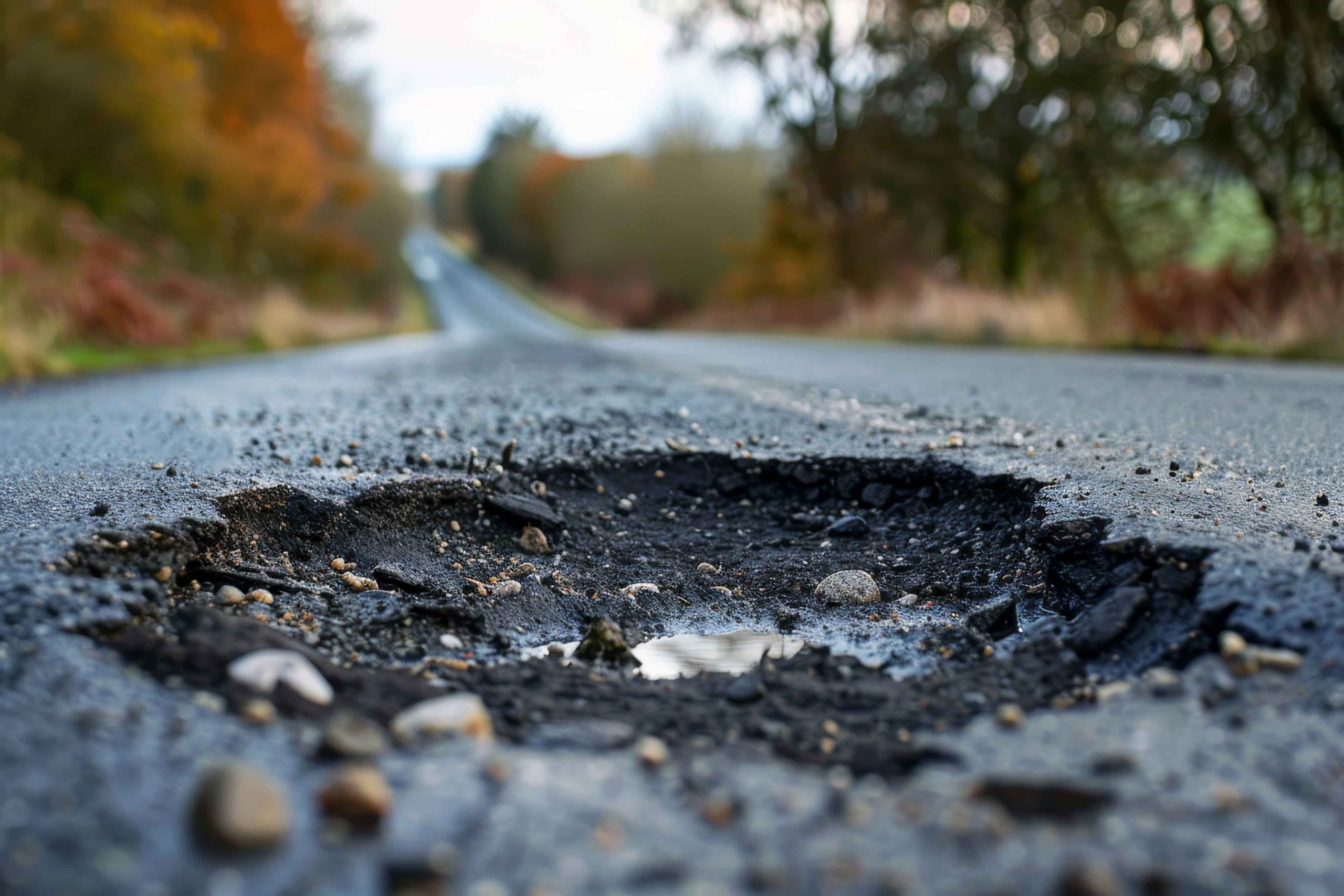
Potholes have become an unavoidable part of driving in the UK. From urban streets to rural routes, deteriorating road surfaces are causing frustration for motorists, and increasingly, expensive damage to vehicles.
Bent alloy wheels, punctured tyres, suspension damage and steering issues are now common outcomes of hitting unseen or unavoidable potholes. With repair costs often running into hundreds (and sometimes thousands) of pounds, it’s no surprise that drivers are asking why the problem continues, and what can actually be done about it.
Why Are UK Roads in Such Poor Condition?
Local councils are responsible for maintaining the majority of the UK’s road network, but many face ongoing budget pressures and competing priorities. As a result, road maintenance has often become reactive rather than preventative, with potholes repaired only once they’ve already formed, rather than taking steps to stop them appearing in the first place.
Weather plays a major role too. Heavy rain, freezing temperatures and increased traffic volumes all accelerate surface deterioration, allowing small cracks to quickly develop into dangerous potholes. The RAC & RSTA Call for Action (September 2025)
In September 2025, the RAC and the Road Surface Treatments Association (RSTA) jointly urged the Government to take stronger action on the state of UK roads. Their key proposal was the creation of a mandatory framework for councils, including preventative road maintenance training, to ensure local authorities are equipped to identify and treat early-stage surface defects before potholes form.
The organisations highlighted that preventative treatments, such as surface sealing, are significantly cheaper in the long term than repeated pothole repairs, and could save millions in public funds while improving road safety. While the Government has since acknowledged the issue, councils are still largely operating without a nationally mandated approach, meaning road quality remains inconsistent across the country.
Reporting Potholes: A Small Action That Matters
Many drivers don’t realise that most councils now provide an online pothole reporting feature on their websites. Using these tools can make a real difference.
Reporting a pothole:
- Alerts the council to a safety issue they may not be aware of
- Helps prioritise inspections and repairs
- Creates a record that may be important if damage occurs later
Some national platforms can also direct reports to the correct authority based on location, making the process quick and straightforward. While reporting doesn’t guarantee immediate repairs, it increases accountability, and helps protect other road users.
Can You Claim Compensation for Pothole Damage?
If your vehicle is damaged by a pothole, you may be able to claim compensation from the relevant road authority, but it’s important to understand that claims are often challenging.
What You Should Do
- Take clear photographs of the pothole and the vehicle damage as soon as it’s safe
- Note the exact location, date and time of the incident
- Keep repair invoices and inspection reports
- Check whether the pothole had already been reported
Councils can defend claims by showing they carried out regular inspections or were unaware of the defect. This means many claims are rejected, even when damage is clear. However, submitting strong evidence and demonstrating that the pothole was known or long-standing can improve your chances.
It’s also important to claim against the correct authority:
- Local councils for most roads
- National Highways for motorways and major A-roads
- Transport authorities such as TfL for London red routes
The Reality for Drivers
While compensation is possible, only a proportion of pothole claims are successful, and payouts don’t always cover the full cost of repairs. For many drivers, the most practical approach remains early reporting, cautious driving where possible, and keeping records if damage does occur.
Looking Ahead
Until a consistent, preventative approach to road maintenance is adopted nationwide, potholes will remain a costly and dangerous problem for UK motorists. Greater accountability, better training for councils, and increased public reporting all have a role to play, but lasting improvement will require coordinated action at both local and national level.
For now, staying informed, reporting defects and knowing your rights are the best tools drivers have to protect themselves, and their vehicles, from the ongoing state of the UK’s roads.